
The Zuid-Limburgse Stoomtrein Maatschappij (ZLSM) was founded in 1962 by a group of railway enthusiasts dedicated to preserving the rich heritage of steam locomotives in the Netherlands. The organization emerged during a period when steam trains were rapidly being replaced by diesel and electric traction, threatening the disappearance of these iconic machines. ZLSM’s early efforts focused on acquiring and restoring historic steam locomotives and rolling stock, with the goal of keeping them operational for future generations. The first operational base was established in Simpelveld, a picturesque village in South Limburg, where the society began running heritage train services on disused railway lines (De Boekhorst, 2010).
In the 1970s and 1980s, ZLSM expanded its operations and became a prominent player in the Dutch heritage railway scene. The society acquired several notable locomotives, including the NS 7744, a well-known Dutch steam engine, and restored them to working condition. During this period, ZLSM also began offering regular scenic train rides through the hilly landscapes of South Limburg, attracting tourists and railway enthusiasts alike. The routes often included stops at historic stations, such as Kerkrade and Vetschau, where visitors could experience the charm of early 20th-century rail travel (Stichting ZLSM, 2015).
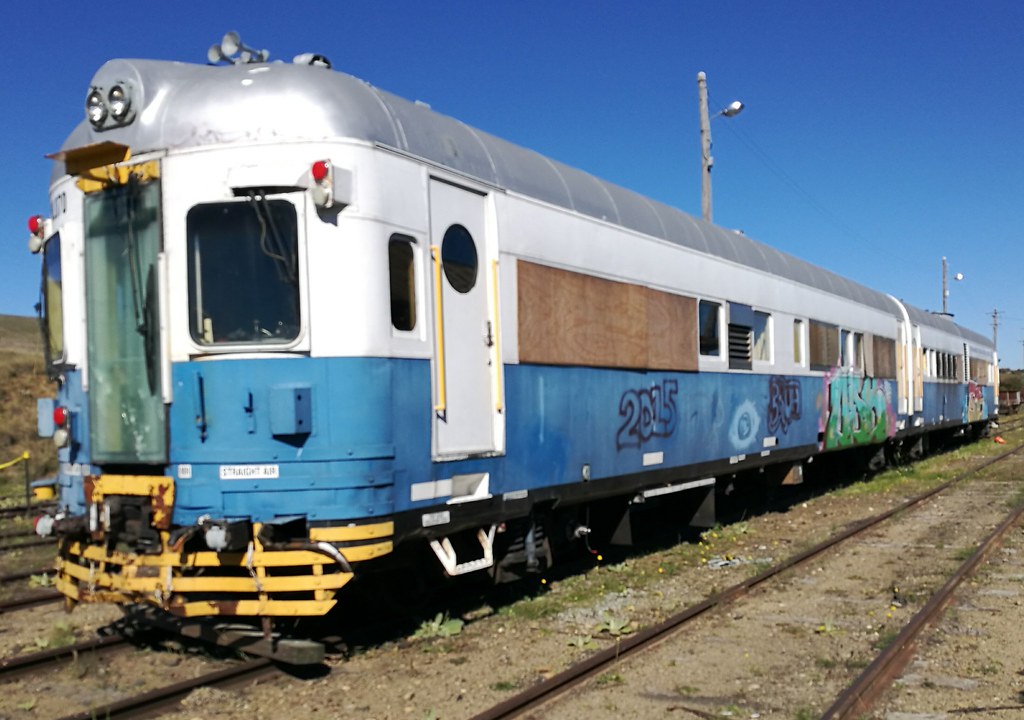
By the 1990s, ZLSM had solidified its reputation as one of the Netherlands’ leading heritage railway organizations. The society expanded its collection to include diesel locomotives and vintage passenger carriages, broadening its appeal to a wider audience. A significant milestone was the restoration of the Simsim line, a scenic route connecting Schaesberg and Simpelveld, which became the backbone of ZLSM’s operations. This line not only preserved a vital piece of railway history but also provided a unique tourist attraction, showcasing the beauty of South Limburg’s countryside (Railway Gazette International, 1998).
In the 21st century, ZLSM continued to grow, focusing on education, preservation, and tourism. The organization introduced themed train rides, such as the “Sinterklaas” (Dutch Santa Claus) trains and “Dinner Trains,” which became popular with families and tourists. ZLSM also played a key role in preserving railway heritage by collaborating with other European heritage railways and participating in international steam events. The society’s dedication to maintaining authentic operational practices—such as using traditional signaling and station procedures—further enhanced its reputation as a living museum of railway history (ZLSM Annual Report, 2020).
Today, the Zuid-Limburgse Stoomtrein Maatschappij remains a beloved institution in the Netherlands, offering a nostalgic journey through time. Its fleet of meticulously restored steam and diesel locomotives, combined with its scenic routes, continues to attract visitors from around the world. ZLSM’s commitment to preserving railway heritage ensures that the golden age of steam travel remains alive for future generations, while its educational programs and special events keep the spirit of historic railroading vibrant and relevant (Visit Limburg, 2023).
This history was generated using AI and is based on general knowledge of heritage railways and publicly available information about the Zuid-Limburgse Stoomtrein Maatschappij. For precise historical details, please refer to official sources from ZLSM or recognized railway archives.
Sources: