The origins of Estonia’s narrow-gauge railway date back to 1896, when the first line opened between Pärnu and Valga. This network expanded rapidly, reaching Viljandi in 1897 and Tallinn by 1900. By 1939, Estonia had an extensive narrow-gauge system spanning 909 kilometres, serving as a vital economic link for freight and passengers. [museumrailway.ee]
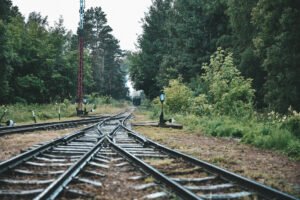
Following independence in 1920, the railways were nationalised in 1923 and integrated into Estonian Railways in 1926. However, the Soviet occupation after World War II marked a turning point. The narrow-gauge system was deemed unsuitable for Soviet plans, leading to its gradual dismantling between 1959 and 1975. Only a few industrial peat railways remained operational. [museumrailway.ee]
The dismantling of these lines inspired enthusiasts to preserve Estonia’s railway heritage. In 1987, the Museum Railway Society was founded, choosing Lavassaare—a former peat railway hub established in 1922—as the museum’s home. This location provided historical authenticity and space for restoration projects. [museumrailway.ee]
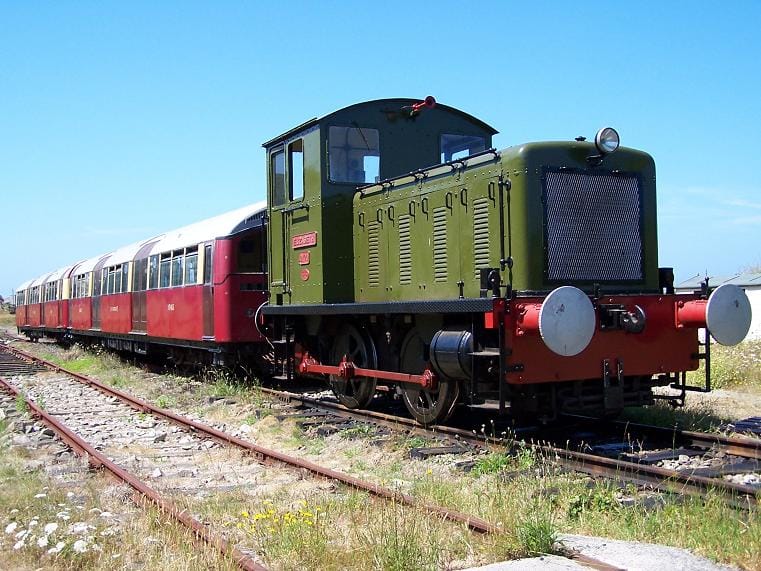
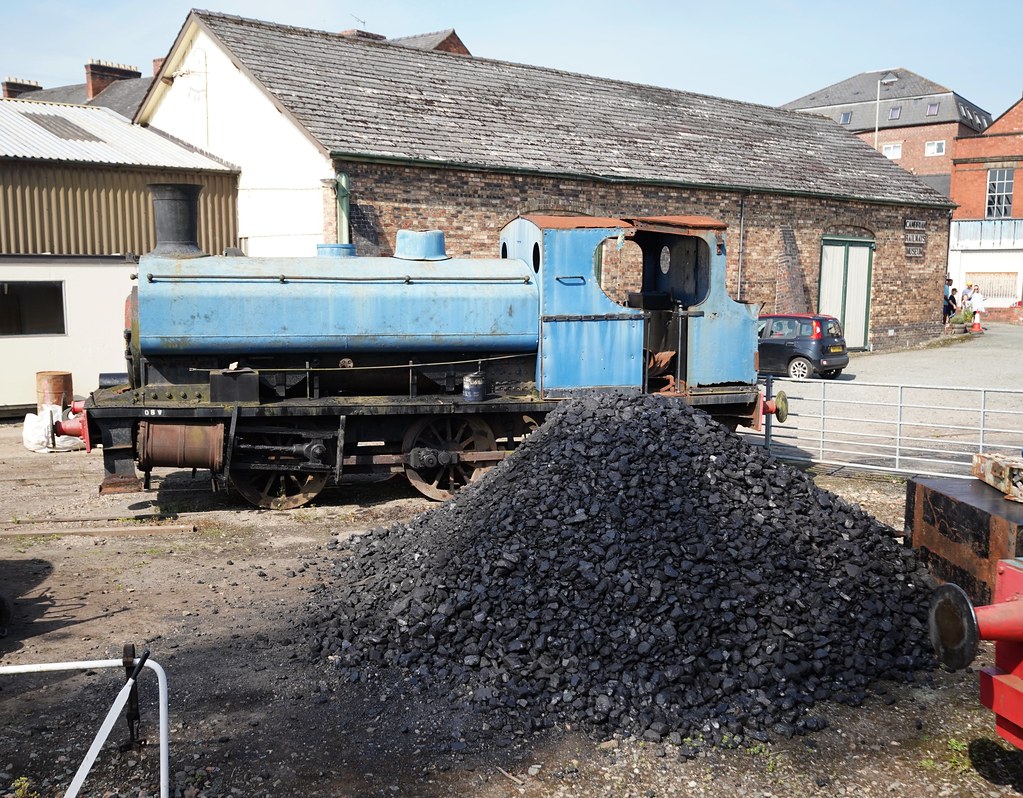
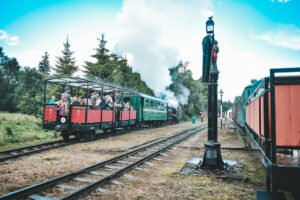
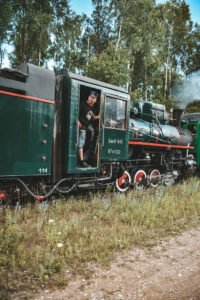
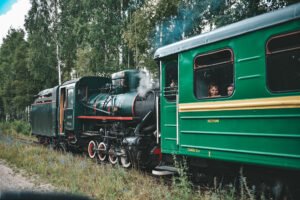
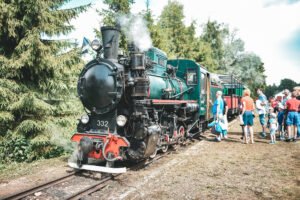
Today, the Estonian Museum Railway boasts one of Europe’s largest collections of narrow-gauge rolling stock, including steam, diesel, and battery-electric locomotives. Visitors can explore over 80 vehicles, historical documents, and photographs, and even enjoy rides on restored museum trains during the summer season. [visitestonia.com], [industrial…ritage.pro], [erih.net]
The museum not only preserves physical artefacts but also tells the story of Estonia’s industrial and cultural evolution. It stands as a testament to the resilience of heritage enthusiasts and offers an immersive experience into the bygone era of narrow-gauge railways. [industrial…ritage.pro]
Statement: This information was generated using AI and verified with credible sources.