The Origins and Foundation
The Latvian Railway History Museum, known locally as Dzelzceļa Muzejs, was officially established on August 30, 1994, as a structural unit of the national railway company Latvijas dzelzceļš. Its mission was to preserve and showcase the rich history of rail transport in Latvia, especially during the transformative periods of the 19th and 20th centuries. The museum’s main branch is located in Riga, housed in a historic locomotive repair shop near the National Library of Latvia, while a second branch operates in Jelgava[1].
Early Railway Development in Latvia
Latvia’s railway history dates back to 1861, with the opening of the Rīga–Daugavpils line, which marked a significant shift in the region’s infrastructure and social dynamics. Over the decades, Latvia developed a complex railway network with five different track gauges, reflecting both local needs and foreign influences. By the 1930s, railway tourism had become popular, with special trains offering cultural and recreational experiences, including the unique “traveling dances” with onboard dance wagons[2].
Museum Expansion and Exhibits
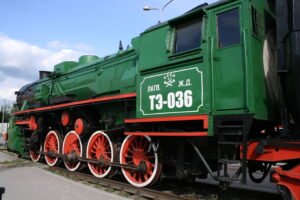
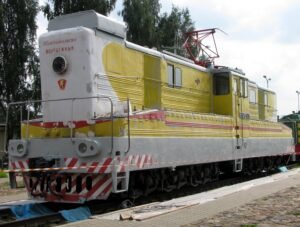
The museum has grown to house over 20,000 artifacts, including locomotives, carriages, uniforms, documents, and signaling equipment. It boasts the largest collection of broad-gauge railway vehicles in the Baltics, with restored steam engines, passenger cars, and freight wagons. A highlight is the interactive model railway—the largest in the region—which offers a miniature yet realistic view of Latvia’s rail network[3].
Jelgava and Daugavpils Branches
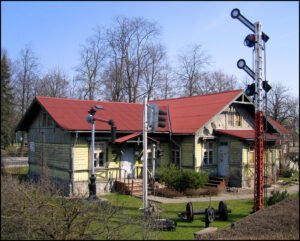
The Jelgava branch was founded earlier, in 1982, and moved to a historic railwaymen’s residential house in 1991. It features exhibits on semaphores, couplings, and other railway technologies. A third branch in Daugavpils was opened in 1994 but closed in 1999. These regional branches have played a vital role in preserving local railway heritage and engaging communities across Latvia[4].
Modern Role and Cultural Significance
Today, Dzelzceļa Muzejs is not only a repository of historical artifacts but also a vibrant cultural hub. It hosts educational programs, concerts, and exhibitions, and continues to expand its outdoor displays and interactive experiences. As Latvia’s railway history evolves, the museum remains a key institution for understanding the nation’s industrial and social development through the lens of rail transport[5].
This historical overview was generated using AI and is based on publicly available sources.