The Deutsches Dampflokomotiv-Museum (German Steam Locomotive Museum) in Neuenmarkt, Upper Franconia, is a testament to Germany’s rich railway heritage, particularly the era of steam locomotives. Its origins are closely tied to the end of steam traction in Germany: in October 1977, the last steam locomotives were withdrawn from service by Deutsche Bundesbahn, marking the end of an era that had begun in 1835 with the “Adler” between Nuremberg and Fürth. The museum’s location at the foot of the “Schiefe Ebene” (inclined plane), Europe’s first steep ramp for friction operation, adds historical significance, as this section of the Ludwig South-North Railway was a major engineering challenge of the 19th century.
The museum was founded through the vision and effort of entrepreneur Günter Knauß, who recognized the importance of preserving Germany’s steam locomotive history. In 1974, Knauß began acquiring steam locomotives from Deutsche Bahn, and by 1977, he had established the museum in Neuenmarkt. The local community and a nationwide association of friends supported his efforts, and the Deutsches Dampflokomotiv-Museum officially opened its doors on July 22, 1977. The museum’s collection grew rapidly, and in 1984, a regional association took over its management to secure its future.
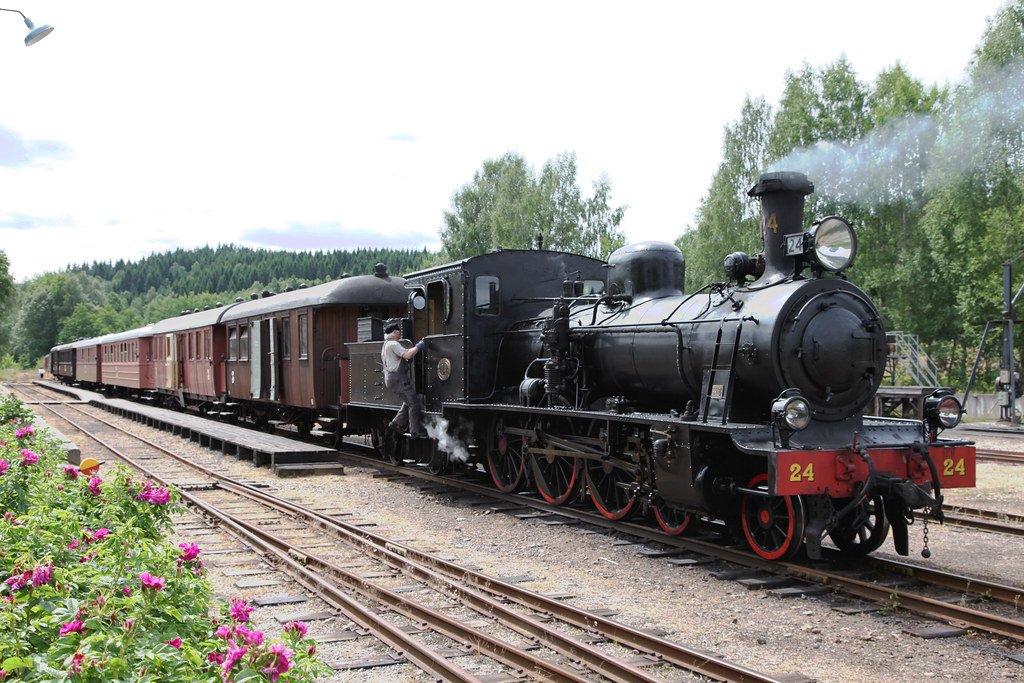
Housed in a historic roundhouse and former locomotive depot, the museum showcases over 35 steam locomotives, making it the largest specialized museum of its kind in Germany. Among its highlights are the Class 10 001, the last and most advanced steam locomotive developed for Deutsche Bundesbahn, and the saloon carriage 10242, which was part of the Federal Chancellor’s special train. The museum also features a working coal yard, turntable, and model railway, offering visitors a hands-on experience of railway history. The site’s infrastructure remains fully functional, allowing for the maintenance and operation of steam locomotives, and it serves as a hub for special steam train events.
Beyond its impressive collection, the Deutsches Dampflokomotiv-Museum is deeply connected to the history of Neuenmarkt, a village shaped by the railway. Many original buildings from the steam era, including the motive power depot, station hotel, and railway workers’ houses, still stand today. The museum’s tours and educational programs bring the story of steam locomotives to life, highlighting the technological advancements and daily lives of those who worked on the railways. Special events, such as the annual Pfingstdampftage (Pentecost Steam Days) and Kohlenhoffest (Coal Yard Festival), attract enthusiasts from around the world.
Today, the Deutsches Dampflokomotiv-Museum continues to evolve, blending preservation with innovation. Recent developments include the restoration of the coaling station, updates to the model railway, and new exhibits that explore the broader context of railway history. The museum remains a vibrant center for railway heritage, offering visitors a unique journey through time and a deeper appreciation for the “black giants” that once powered Germany’s railways.
This history was generated using AI and draws from publicly available sources, including the Deutsches Dampflokomotiv-Museum’s official website and Wikipedia.