The Brecon Mountain Railway, or Rheilffordd Fynydd y Bannau, is a narrow-gauge heritage railway in South Wales that winds through the Brecon Beacons, offering steam-powered journeys along a route steeped in industrial and preservation history.
Its origins lie in the Brecon and Merthyr Railway, a standard-gauge line established in 1859 to connect Brecon with Merthyr Tydfil and support South Wales’ booming iron and coal industries. The line opened in 1863, traversing rugged terrain via the Torpantau Tunnel, which at 1,313 feet above sea level remains the highest railway tunnel in Britain. However, like many rural lines, it suffered from declining passenger numbers and competition from road transport. The Beeching Cuts led to its closure in 1964, and the trackbed was left to decay.
The revival began in the mid-1970s, when railway enthusiast Anthony “Tony” Hills envisioned a steam-hauled tourist railway along the abandoned route. Hills had already collected locomotives and stored them at Gilfach Ddu on the Llanberis Lake Railway. In 1977, he purchased five miles of the disused trackbed from Pant to Torpantau and formed the Brecon Mountain Railway Company Ltd.
Construction began in 1978, and a Light Railway Order was granted in 1980, allowing operations to commence. The first section, from Pant to Pontsticill, opened to passengers in June 1980, using a small locomotive named Sybil and a single carriage. Hills and his team rebuilt bridges, restored station buildings, and laid new track, often sourcing locomotives from around the world and restoring them in-house.
Expansion continued over the next decades. The line reached Dolygaer in 1995, and finally Torpantau in 2014, just short of the original tunnel entrance. This brought the railway to its full length of approximately 5 miles (8 km), climbing through dramatic landscapes and past the Pontsticill Reservoir.
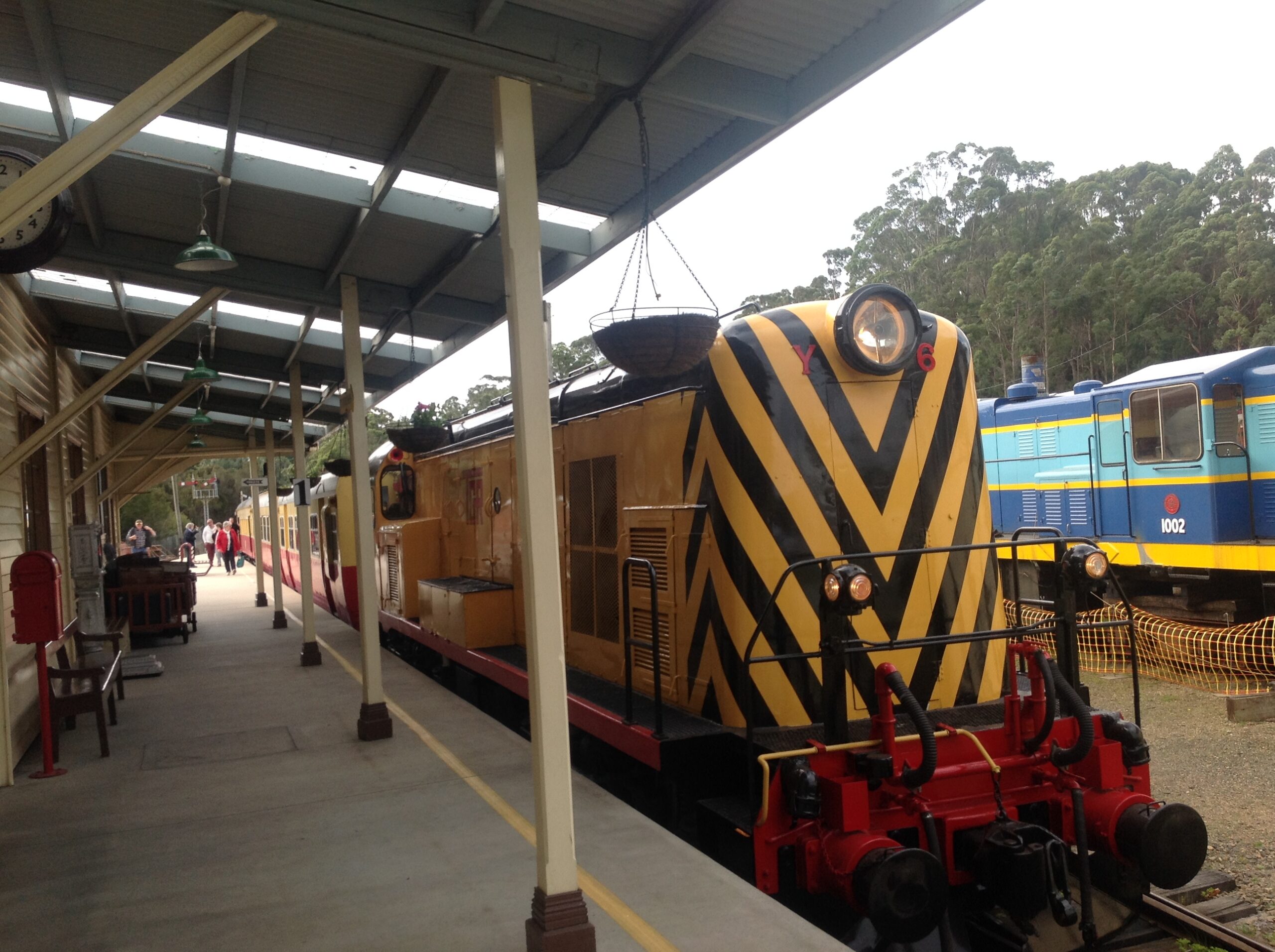
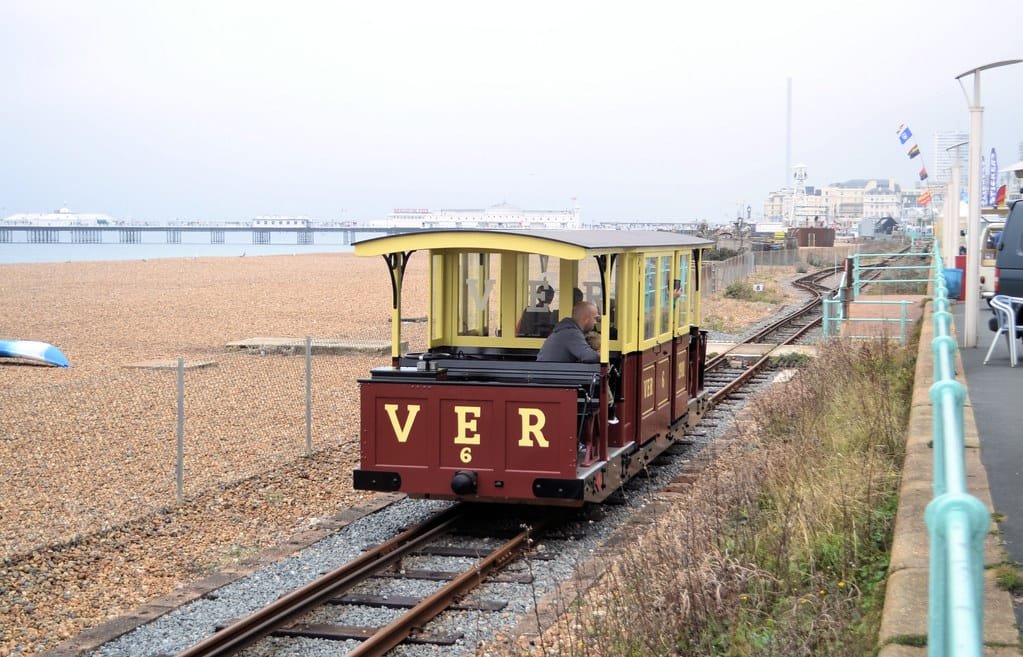
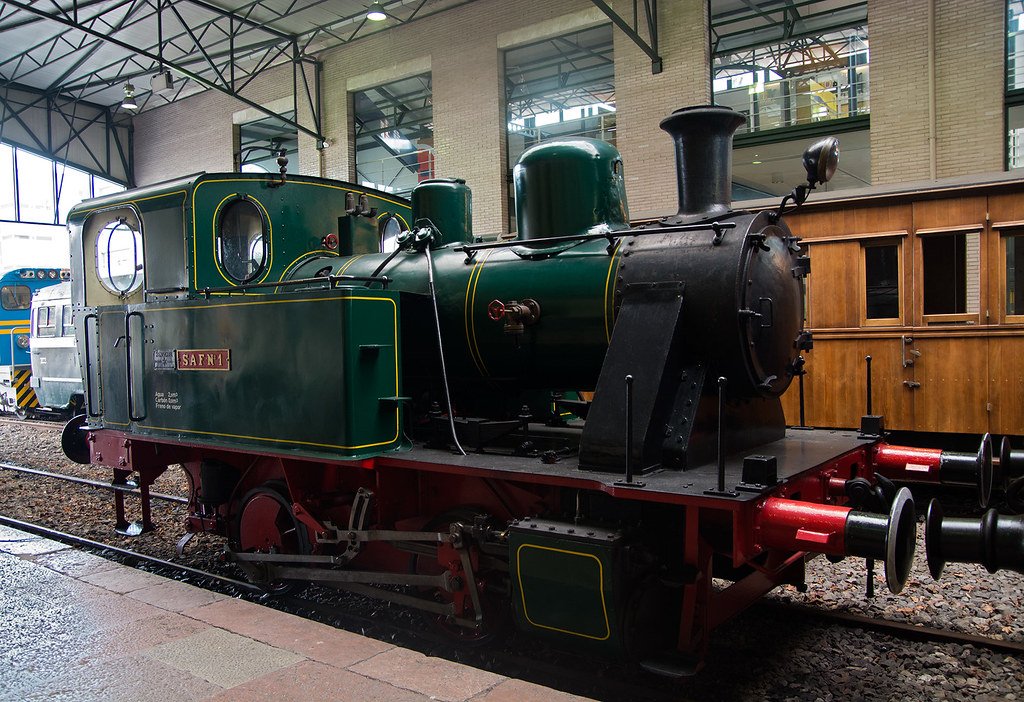
The railway’s rolling stock reflects its international character. Notable steam locomotives include:
Diesel locomotives include:
The railway also features a steam museum at Pontsticill, housing stationary engines and smaller locomotives, and a large workshop at Pant where restoration and maintenance continue using traditional techniques.
Tony Hills passed away in 2015, but his legacy lives on through his son Matthew Hills, who continues to oversee operations. The railway remains a member of the Great Little Trains of Wales, and its success is a tribute to Tony’s vision, engineering skill, and passion for steam heritage.
Today, the Brecon Mountain Railway offers more than scenic rides—it provides a living connection to Wales’ industrial past and the enduring spirit of railway preservation. Visitors experience not just the sights and sounds of steam, but the story of a railway lost and found.
This history was generated using AI and draws on publicly available sources including the Brecon Mountain Railway official site, Wikipedia, and Merthyr History.