The Azpeitia Railway Museum, officially known as the Basque Railway Museum, is a landmark institution dedicated to preserving and celebrating the rich railway heritage of the Basque Country in northern Spain. Here is a concise history of the museum, synthesized from up-to-date sources:
Origins and Industrial Heritage The museum’s story begins with the broader history of rail transport in the Basque Country, which dates back to the mid-19th century. The region’s industrial revolution saw the construction of extensive narrow-gauge railway networks, which played a crucial role in connecting rural and urban areas. The Urola Valley railway, originating in Azpeitia, was among the first in Spain to be electrified, showcasing innovative technology such as mercury vapour rectifiers from the early 20th century. These developments laid the foundation for the region’s railway legacy, which the museum now preserves.
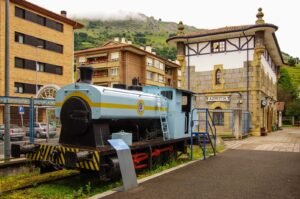
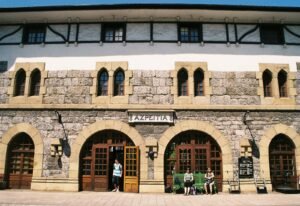
Establishment and Vision The Basque Railway Museum was established in 1994, housed in the historic railway station of Azpeitia. The decision to create the museum was driven by the Basque Government’s recognition of the historical value of the region’s railway equipment, much of which risked being lost to scrapyards. In 1989, an inventory was conducted to assess and preserve this heritage, leading to the museum’s creation. Its mission was to keep alive the memory of the golden age of rail transport in northern Spain, ensuring that future generations could experience and learn from this industrial past.
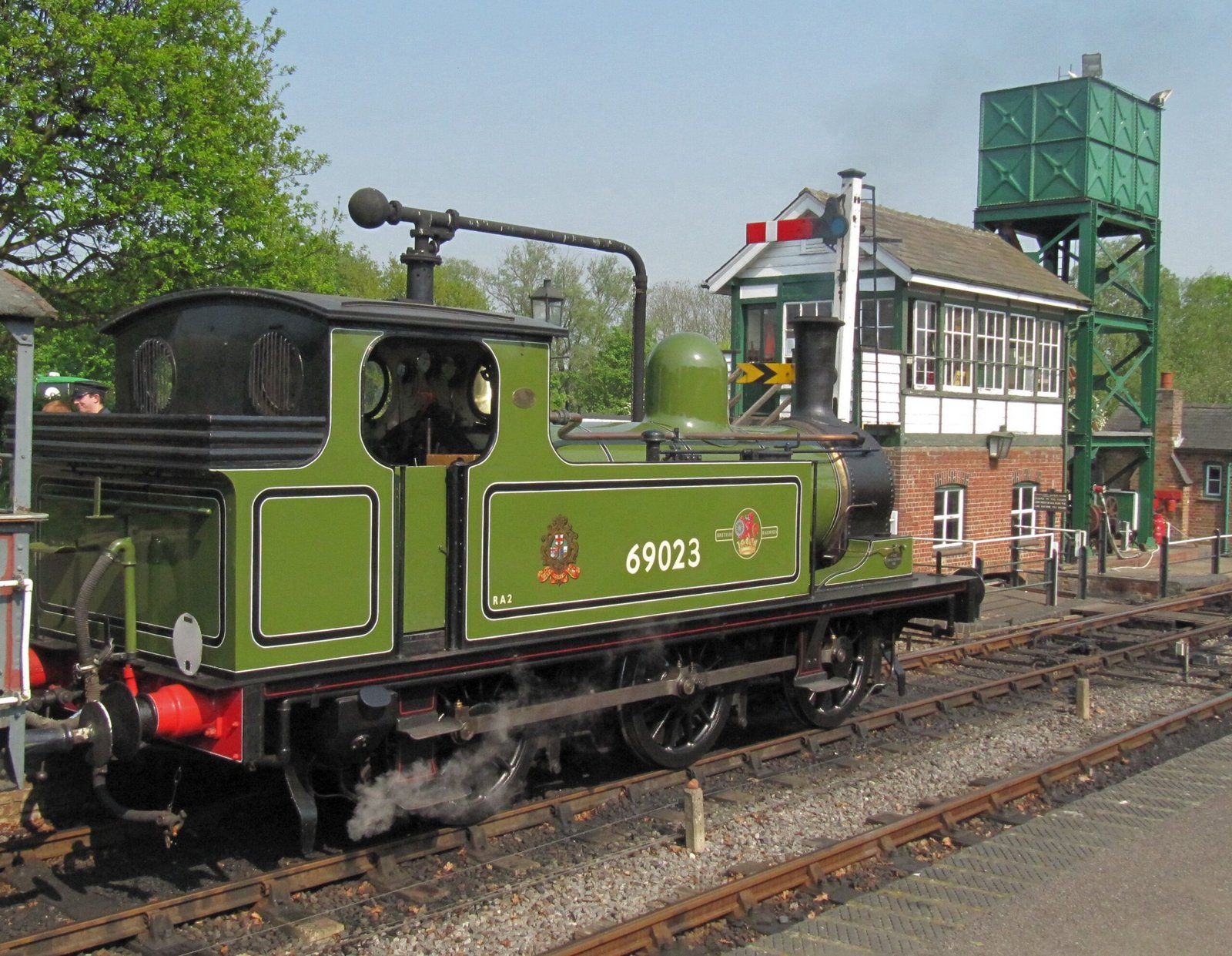
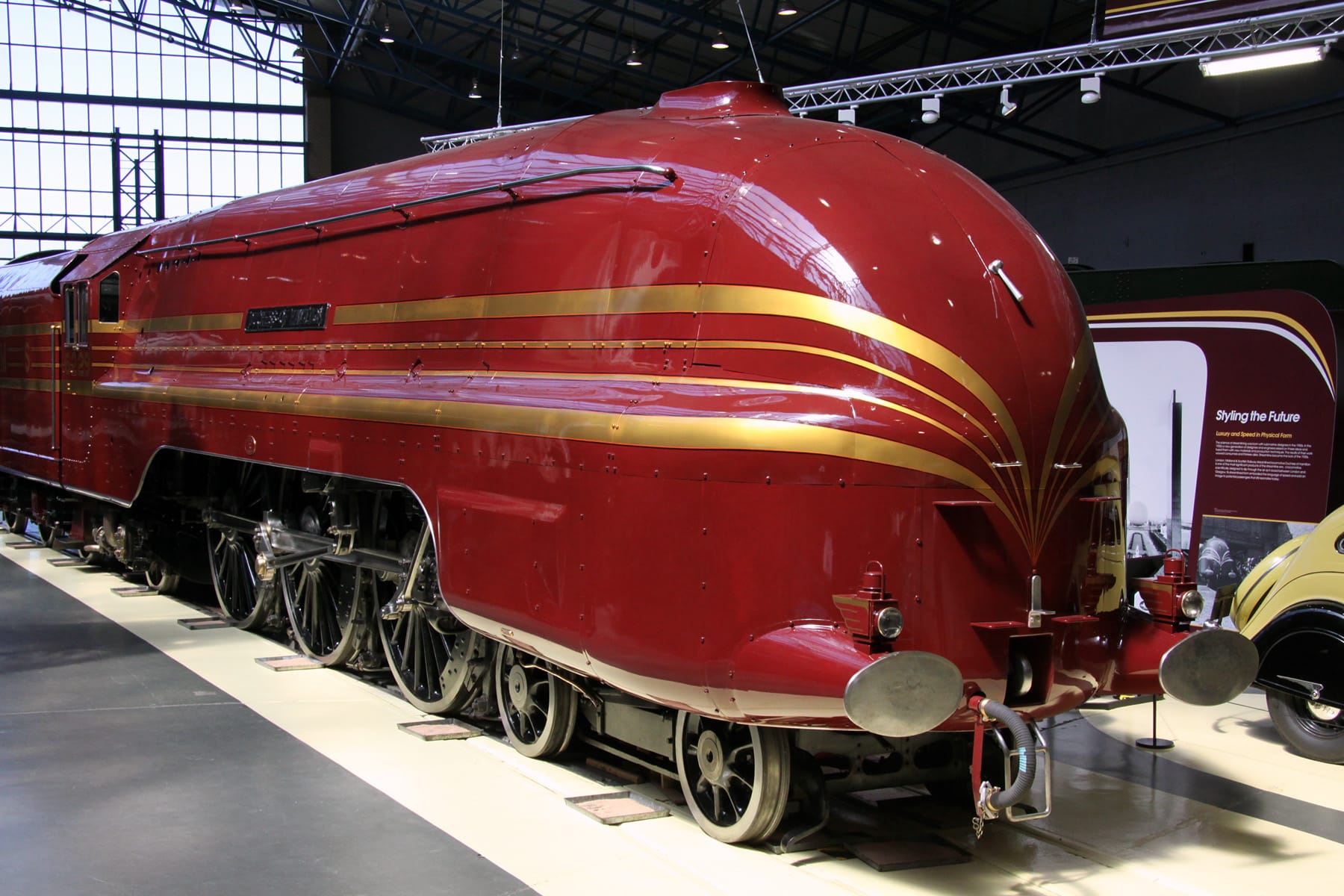
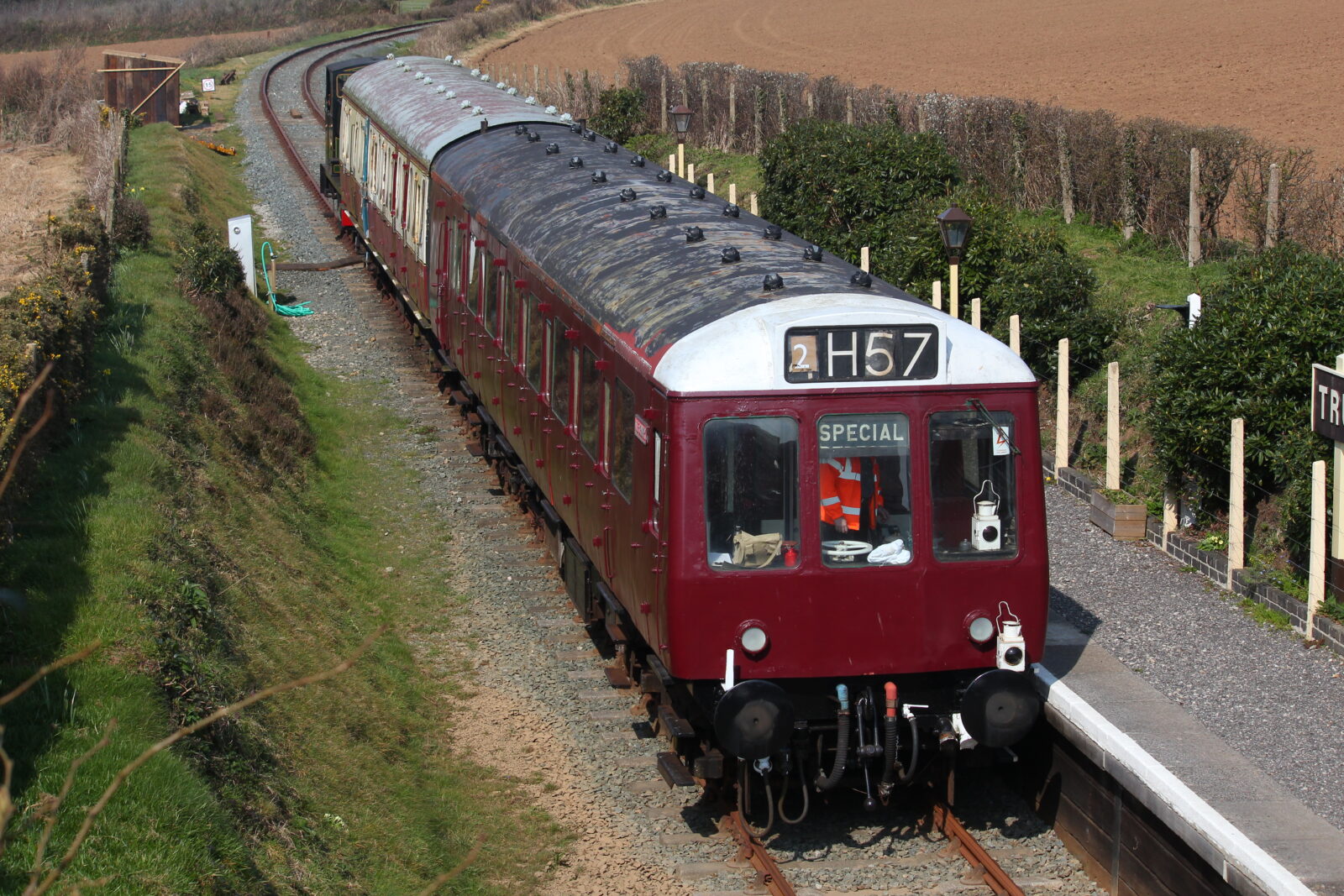
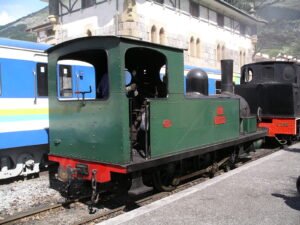
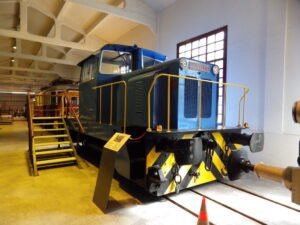
Collections and Exhibits The museum boasts one of the most comprehensive railway collections in Europe, featuring over sixty fully restored trains, including steam, diesel, and electric locomotives, as well as trams, trolleybuses, and a variety of wagons. Beyond rolling stock, the museum displays an array of railway memorabilia, such as historic uniforms, station clocks, and machine tools. The exhibits are housed in the former station’s buildings, which include workshops, engine sheds, and an electrical transformation station—all meticulously restored to reflect their original functions.
Heritage Railway and Visitor Experience A highlight of the museum is its operational heritage railway, which runs on a five-kilometre narrow-gauge line between Azpeitia and Lasao. Visitors can experience rides on historic steam trains, offering a living connection to the past. The museum also offers interactive experiences, such as the opportunity to act as a stoker on a steam engine, further immersing visitors in the railway’s history. These activities, combined with the museum’s extensive collections, make it a dynamic and educational destination.
Cultural and Educational Impact Over its more than 25 years of operation, the Basque Railway Museum has attracted nearly 625,000 visitors, becoming a cultural hub for railway enthusiasts and the general public alike. It serves as both a repository of industrial history and an active participant in preserving and promoting the Basque Country’s railway traditions. The museum’s ongoing events, exhibitions, and heritage train rides continue to celebrate and share this unique legacy with new audiences.
This history was generated using AI, based on information from multiple sources.